Koruyucu Atmosfer Kontrollü Sert Lehim Fırınları
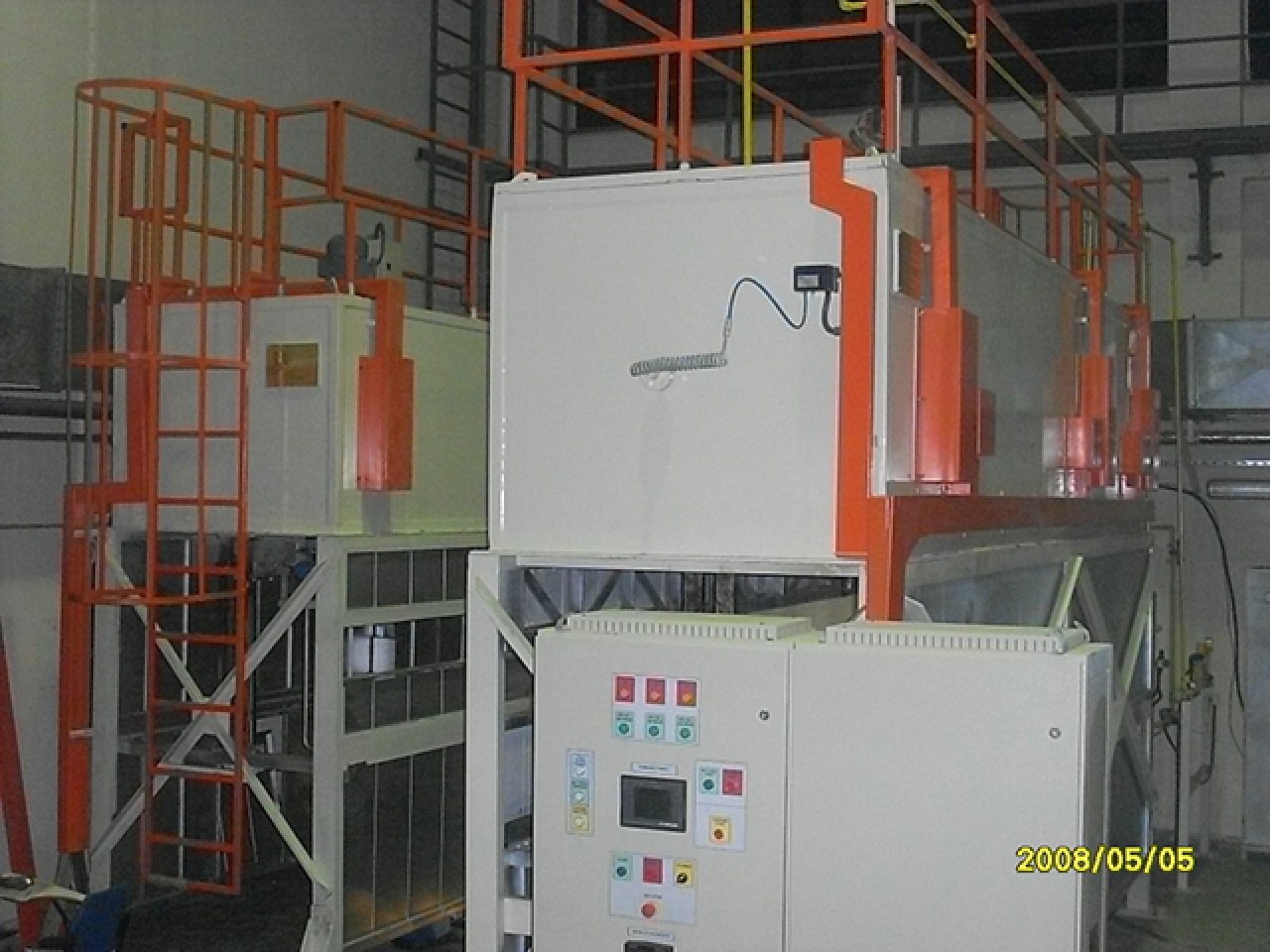
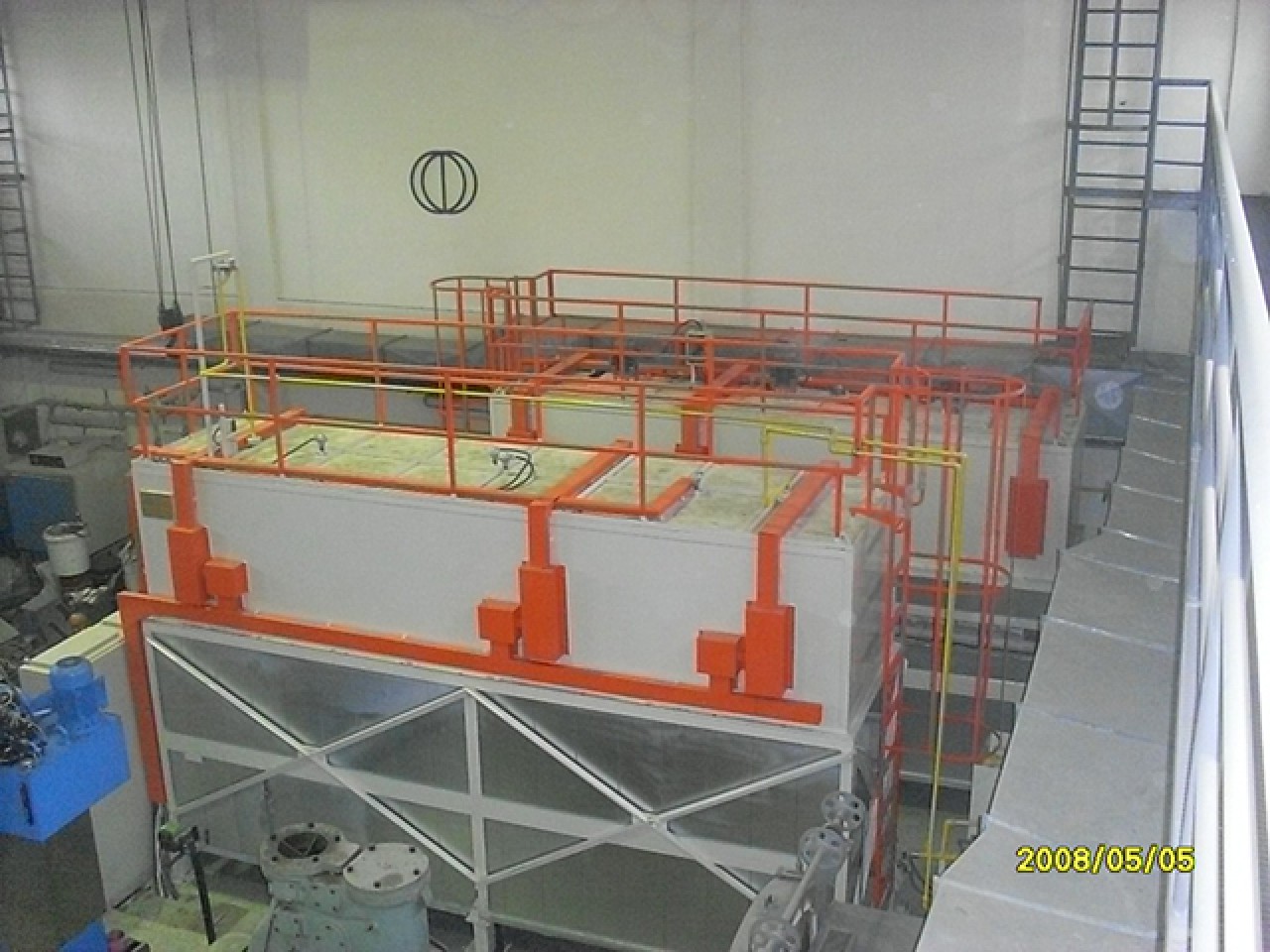
Koruyucu Atmosfer Kontrollü Sert Lehim Fırını
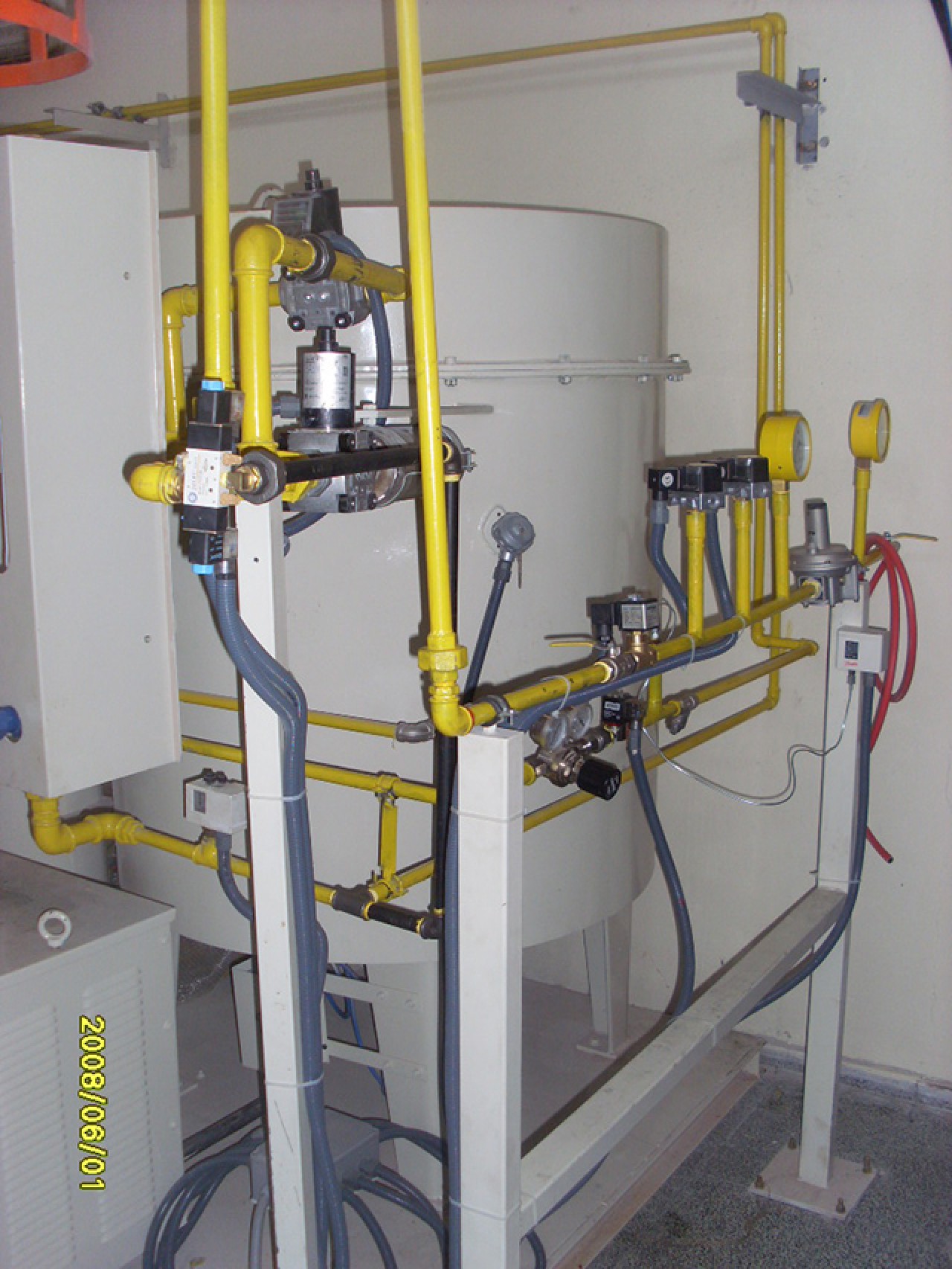
Sert Lehim Fırını koruyucu atmosfer kontrolü altında 1200°C de çalışmaktadır. Lehimleme kalitesini doğrudan etkileyen en önemli faktörlerden biri koruyucu atmosfer kontrolüdür. Isıtma işlemi başlamadan önce fırın haznesi Azot (N₂) ile süpürülerek ortamdaki oksijen uzaklaştırılır. Ardından Hidrojen (H₂) verilerek redüktif atmosfer oluşturulur. Bu sayede metal yüzeylerinde oksit oluşumu engellenir, lehim alaşımının akıcılığı artırılır ve yüksek kaliteli, temiz birleşmeler elde edilir.
Acar Teknolojik Sistemler, koruyucu atmosfer için gerekli Azot ve Hidrojen gazını sağlayan Amonyak Parçalayıcı, Jeneratörü sistemlerini de kendi mühendislik altyapısıyla tasarlayıp üretmektedir.
Sert lehimleme işlemi tamamlandıktan sonra parçalar proses gereksinimine bağlı olarak kontrollü şekilde soğutulabilir veya doğrudan meneviş fırınına alınarak ısıl işlem süreci tamamlanabilir.
Sert lehimleme, aynı cins veya farklı cins metalleri bir ısı kaynağı altında ergitmeden, 450°C üzerinde ergiyen ilave bir metal (lehim alaşımı) kullanarak, ergiyen ilave metalin birleştirme aralığına yayılarak ıslatması ile birleştirilecek metallerle ilave metal arasında metalürjik bir bağ oluşması ile meydana gelen birleştirme yöntemidir.
Sert lehimleme işleminde, birleştirilecek metaller ile ilave metal arasındaki metalürjik bağın oluşumu, difüzyon adını verdiğimiz atomların transferi ile gerçekleşir. Bu bağın güçlü olabilmesi için transferi kolaylaştıracak ve birleşim bölgesini istenmeyen unsurlardan uzaklaştıracak koruyucu atmosfer kullanılır.
Sert lehimleme yöntemi günümüz endüstrisinde pek çok alanda yaygın olarak kullanılır.
Bunun sebebi,
- Sert lehimleme ile birleştirilen parçaların dayanımı yüksektir, hatta birleştirilmesi yapılan metalden bile daha güçlü birleşimler sağlanabilir.
- Sert lehimle birleştirilmiş parçalarda birleşim yeri darbe ve titreşimlere karşı dayanımlıdır.
- Ekonomiktir.
Ortadoğu Teknik Üniversitesi'ne yaptığımız bu fırınlarda matbaa bıçaklarının sert lehimleme ısıl işlemi yapılmaktadır.